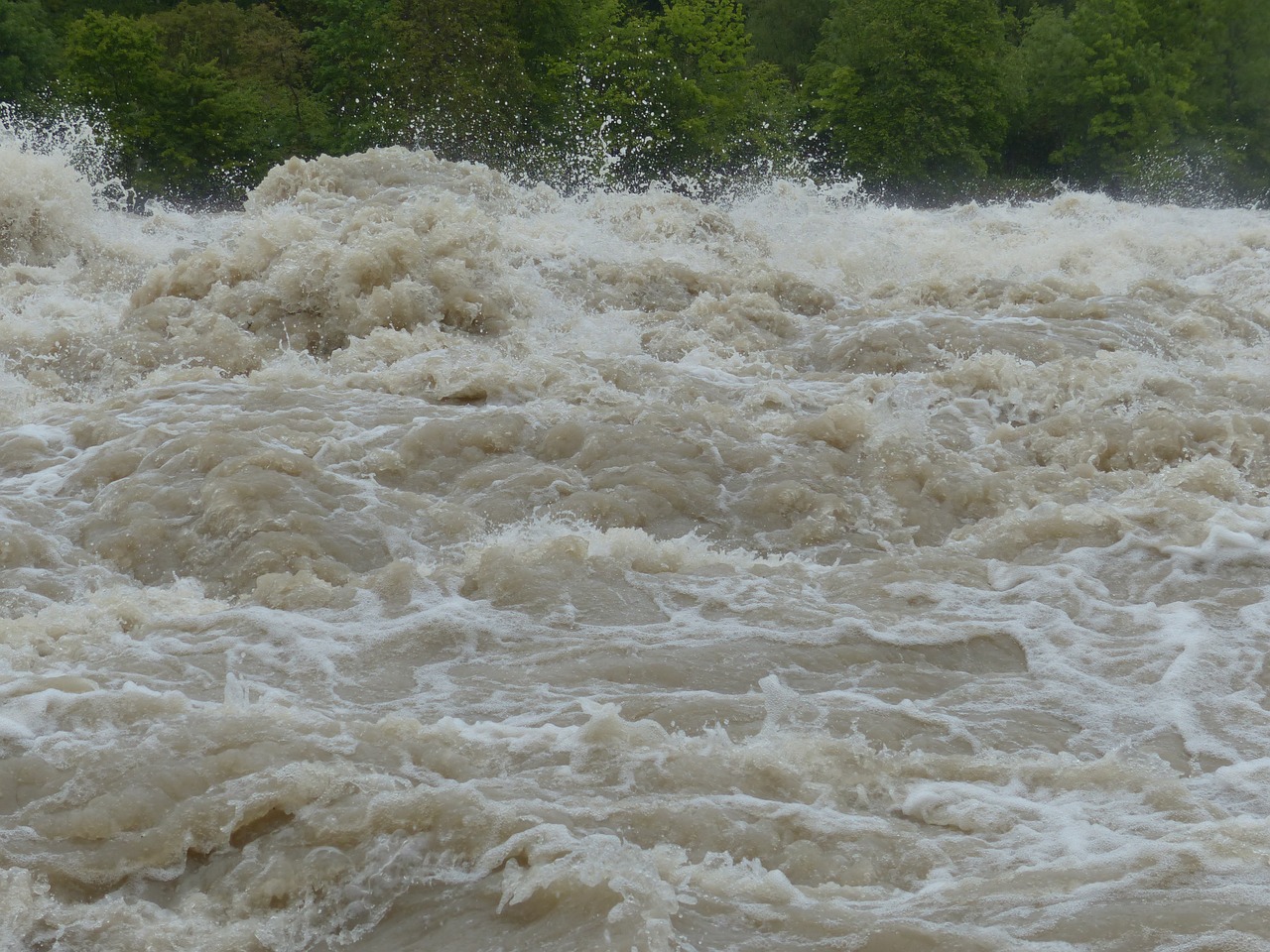
Flooding is the most common and widespread natural hazard in the UK. One type of
flooding that can occur is flooding from river levels or surface water rising very quickly in
response to very heavy rainfall – flash flooding. They tend to happen when heavy rainfall
runs off land and quickly swells rivers and streams. Water can also build up quickly in urban areas when rainfall is unable to drain away.
These types of events are rare but can be very dangerous. Flash floods occur extremely
quickly – much faster than other forms of flooding – and with massive force. They can move
rocks, tear out trees, sweep away vehicles and destroy buildings and bridges. Examples of flash floods include Lynton and Lynmouth in 1952, Boscastle in 2004 and Beer in 2004.
Most major flash floods occur in places where there have been none in living memory, so it
is vital that, even if flooding hasn’t happened in your community for a long time, you know
what to do and how to stay safe.
How to recognise a flash flood:
– heavy rainfall
– a short time between the rainfall and flooding
– large amounts of fast flowing water
– damage to buildings and structures
– dangers presented by debris
– there is an urgent threat to life.
Flash flooding can happen suddenly. You may have to act before the Environment Agency
can issue a warning, or before emergency services can reach you.
People particularly at risk are those:
– in basements or single-storey properties
– in a mobile home, tent, caravan, boat or wooden structure
– unfamiliar with the area e.g. tourists
What can you do now?
– Check if you are at risk and sign up to receive free flood warnings: Sign up for flood
warnings
– Register to the Met Office’s Severe Weather Warning Service
– Check the Environment Agency’s 5-day Flood Forecast
– Check to see if your insurance covers flooding
– Know how to turn off gas, electricity and water supplies
What can you do when you get a Flood Alert or you think flash flooding is likely?
– Check that your family, neighbours and pets are ok
– Move important things upstairs or to higher shelves, so they don’t get covered in
dirty flood water.
Three steps to safety:
Prepare: Be aware and know the signs. Signs to watch for heavy rain or severe weather reports, rising water levels with churning dark water or a build-up of debris in rivers or streams.
Act: Do not walk or drive through flood water. If you are in a building with at least two storeys and you believe it is safer to stay where you are, you should move to a higher storey. Call 999 if there’s a risk to life, or if you are trapped.
Survive: Call 999 if you’re in immediate danger. Follow advice if you’re in immediate danger. Keep yourself and your family safe.
If you would like more information about flash flood risk in your area, or your community is
interested in putting together a Community Flood Plan, please contact
dc.flood@environment-agency.gov.uk
[pmb_web_only_blocks]
[/pmb_web_only_blocks]